Learning the language of plants
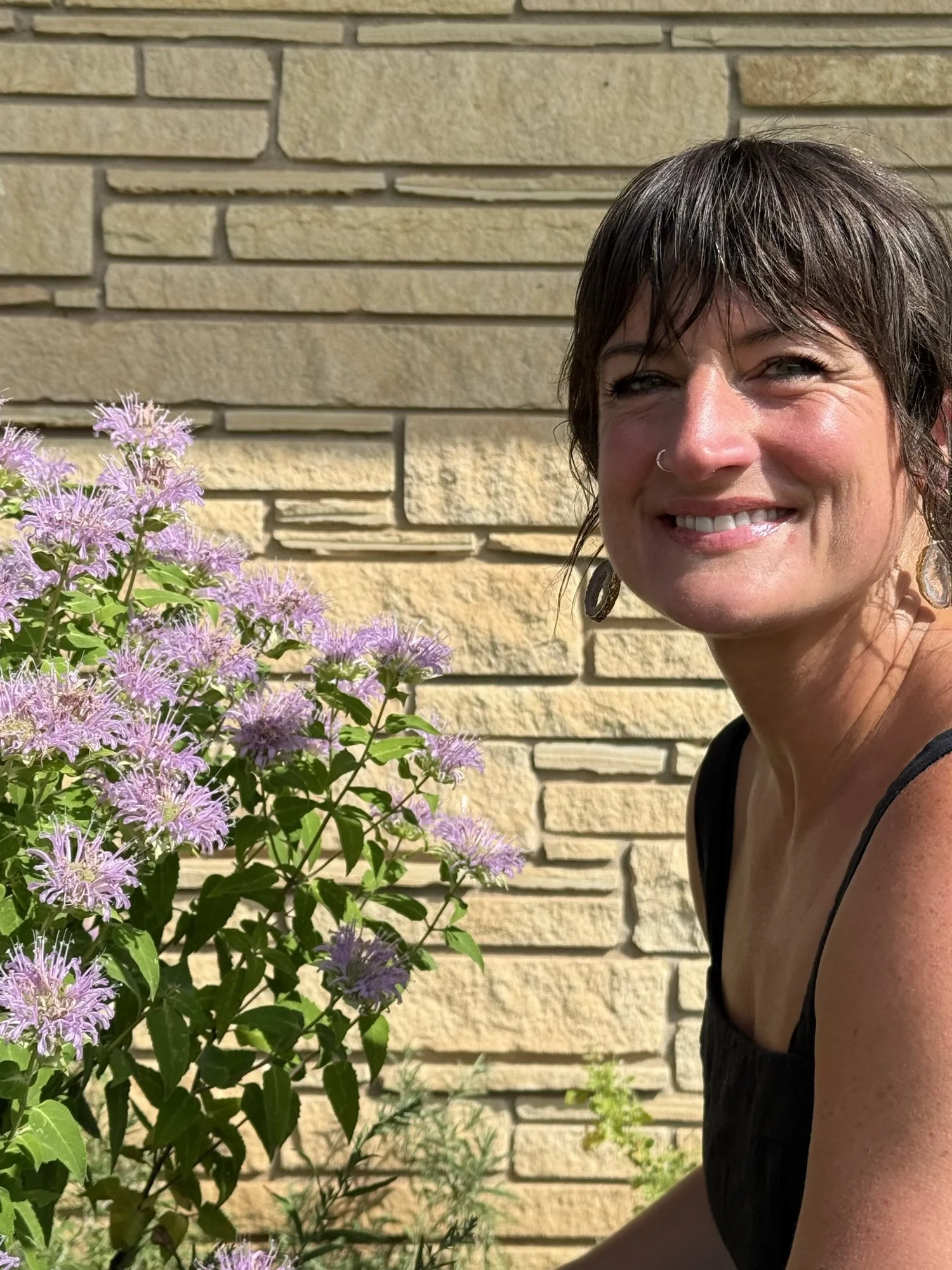
There are many ways to come into relationship with plants.
For some, it’s tending a garden. For others, it’s making a cup of tea at the end of the day, or simply noticing what is growing along a familiar walking path. Over time, those small moments can become something more. Plants begin to feel less like products and more like companions—quiet reminders that nourishment often comes from slowing down enough to pay attention.
For Danielle McCoy, TankHouse Community’s resident herbalist, that relationship began through an experience she never expected.
When her third child was just three months old, doctors discovered he had a heart condition. As she prepared to navigate surgery and the medical system, something inside her pointed her in another direction as well.
“Something in me clicked. I just felt like there was something else we could do. I didn’t know anyone who practiced herbalism, and I didn’t know anything about it. But my intuition knew there was another path to explore.”
That intuition led her to herbs like dandelion root and hawthorn, but it also opened the door to an entirely new way of seeing health. As she learned, she also began nourishing herself differently as a breastfeeding mother.
“I started making nourishing herbal teas so I could be as well as possible while I cared for my son and made decisions for his health journey.”
What began as a response to one difficult season became a lifelong practice. Today, when Danielle talks about plants, it’s clear she isn’t speaking only about remedies.
“Plants are medicine. They are inspiration. They are beauty and grounding. I have so many plants around my house, and just being surrounded by them makes me really happy.”
One of the things she enjoys sharing with others is that herbalism isn’t simply about finding the herb for the problem.
“People often want to treat herbal medicine like prescriptions. They’ll ask, ‘What’s the herb for coughs?’ But there’s much more nuance in herbal formulations.”
It’s a different way of thinking—one that invites us to become curious about the person, not just the symptom.
She also offers a gentle reminder that herbs aren’t meant to carry the whole weight of our wellbeing.
“Sometimes we think we can keep doing life exactly the way we’ve always done it and just throw a little tea on top. Bringing plants into your life is a beautiful place to start, but they’re part of a much bigger relationship with how we care for ourselves.”
One of the most surprising discoveries for Danielle has been how much simpler her own approach to health has become.
“The more I learned about herbs, the less drawn I was to supplements. Over and over again, I’d find myself thinking, ‘There are herbs for that.’ Why would I want to take all these pills if I could just eat real food and drink herbs?”
For her, herbalism isn’t about adding another product to the shelf. It’s about remembering that nourishment often comes in forms we’ve lived alongside all along. Perhaps the deepest shift, though, has nothing to do with what she drinks–it has changed how she sees the world.
“Now when I take walks outside and notice what changes from season to season, the idea of being supported by nature through what is alive and available takes on a whole other language. I see the seasonal growth as a medicinal harvest—a way of living cyclically with nature. It’s changed the way I connect with what’s growing all around me.”
That perspective has a way of finding its way into everyday conversation.
“I love to talk about how we could be making tea from our yard instead of growing grass.”
At first, it sounds like a playful observation. But underneath it is a different way of relating to the world.
What if the landscape around us isn’t simply something to manage or decorate? What if it is something to know?
When we begin learning the language of plants, the familiar becomes unfamiliar again. A walk becomes an introduction. The changing seasons become teachers. What once looked like an ordinary patch of green begins to reveal itself as a living community—one that has been quietly offering nourishment long before we knew how to recognize it.
⸻
Danielle offers one-on-one herbal consultations for those who would like personalized guidance in building a relationship with herbs. Her approach is rooted in education, curiosity, and helping people discover practical ways to bring plants into everyday life.